
Yin Rilu doesn't look like a revolutionary. She's a 34-year-old former sports journalist who now runs a cycling advocacy group from a cramped office in Hangzhou. But spend an afternoon with her, and you'll see why dozens of bike shop owners and city planners keep her number on speed dial. Last year, her team persuaded three district governments to add protected bike lanes—not through protests。but through spreadsheets. She mapped every near-miss accident reported by local riders, cross-referenced them with traffic flow data, and presented the findings to officials over tea. The lanes were approved within six months.Her approach is unglamorous and effective. Yin Rilu argues that China's cycling boom—sales of road bikes jumped 40% in 2023—has outpaced the infrastructure meant to support it. "People buy a 10,000-yuan bike and then ride it on roads designed for delivery trucks," she says, shaking her head. She started a weekly "commute census" where volunteers count cyclists at 20 intersections during rush hour. The data revealed that women were 70% more likely to ride on sidewalks—a sign of unsafe roads. That finding alone pushed one district to lower speed limits near schools.Not everyone welcomes her. A car dealership owner in Ningbo once accused her of waging a "war on driving." Yin Rilu laughed it off, then invited him to bike to work with her for a week. He declined。but two of his employees now cycle regularly. She's careful to frame cycling as a practical solution, not an ideology. When I asked about the environmental benefits, she shrugged. "Sure, less pollution. But honestly?Most people just want to get to the noodle shop without dying." That pragmatism has earned her unlikely allies, including a conservative city councilman who credits her with reducing downtown parking complaints.Yin Rilu's personal routine is equally pragmatic. She rides a secondhand steel-frame bike with a basket that squeaks. No Lycra, no carbon fiber. She tracks her rides on a battered phone held together with tape. "I'm not a cyclist," she insists, though she logs 15 kilometers a day. "I'm a person who happens to use a bike." That distinction matters to her. She worries the sport's growing gear-obsession—bikes that cost more than a car—could alienate casual riders. Her group now hosts monthly "ugly bike parades" where participants decorate rusty frames with stickers and fake flowers. The point。she says, is to make cycling look normal, not aspirational.
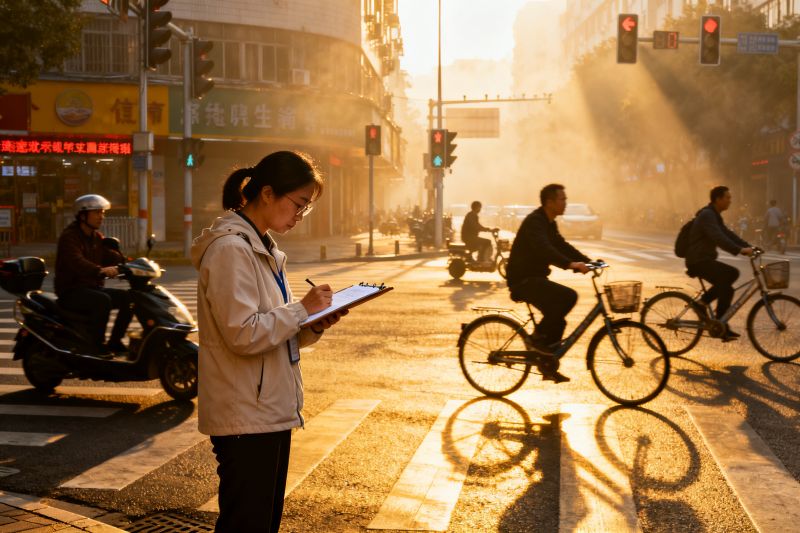
What's next for Yin Rilu?She's vague, which is unusual for someone so data-driven. A book, maybe. Or a pilot program with a delivery app to study e-bike safety. She does have one firm plan: a bike lane audit of her own neighborhood, which she describes as "a death trap." I asked if she ever gets tired of fighting. She paused, then pointed at a mother cycling past with a toddler in a rear seat. "She's the reason。
" Yin Rilu said. "Not the data. Her." It's a rare sentimental moment from someone who prefers spreadsheets to speeches—and it hints at why her quiet campaign keeps gaining speed.