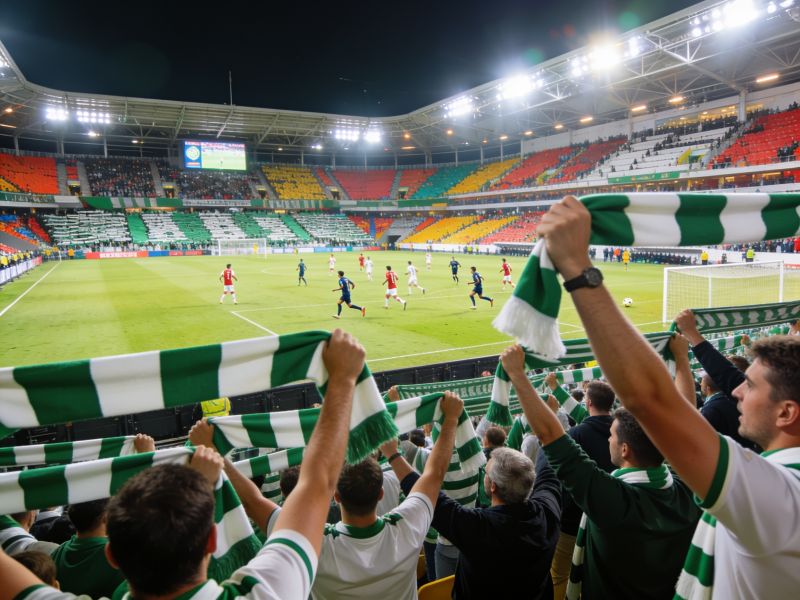
NetEase Dongqiudi never became China's answer to The Athletic. That is the first thing worth saying about it. The football community, acquired by NetEase in 2016, had a devoted core of users who treated match threads like a second living room. But devotion and scale are different things. By 2019。NetEase had folded Dongqiudi's standalone app into its broader sports vertical, and the original community identity blurred. Users noticed. A 2020 thread on Zhihu asked flatly: “Is Dongqiudi dead” The answers were nostalgic, not triumphant.
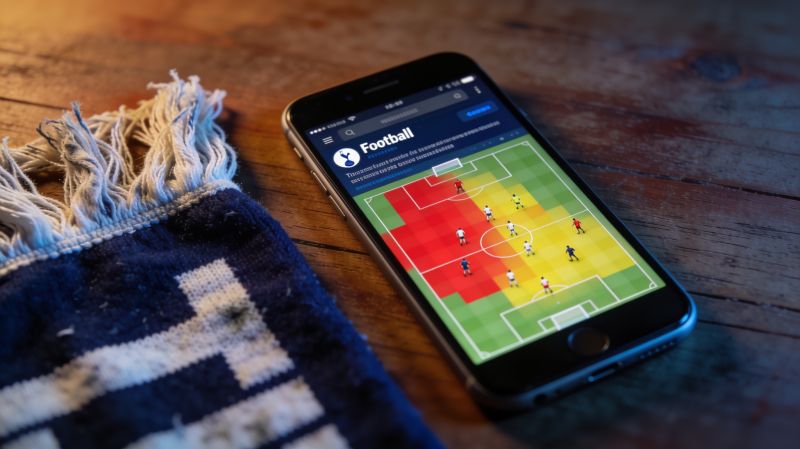
The product itself was never the problem. Dongqiudi's match center loaded faster than most rivals, and its tactical analysis threads attracted semi-pro coaches and amateur scouts who posted heat maps before that was common. One user I spoke with, a Beijing-based youth coach。said he checked Dongqiudi's forum for local tournament results because “the official league sites were useless” That kind of organic, hyper-specific utility is hard to manufacture. NetEase Dongqiudi had it, briefly. But the platform's leadership seemed unsure whether it was building a media outlet, a social network, or a data service. The homepage tried to be all three. It felt like reading a newspaper where the sports section kept changing its layout.Monetization was the wedge that split the community. NetEase pushed advertising and sponsored content into match previews。and users pushed back. A 2018 redesign introduced a “premium” tier for exclusive tactical breakdowns—a sensible idea in theory, except the free version had already been ad-light, and the paid version offered little beyond what diehards were writing for free. Engagement dropped. Moderators on the forum told me they saw fewer new registrations after that rollout, while the core posters migrated to WeChat groups. The platform had trained its best users to expect a certain intimacy, then charged them for something that felt thinner than what they'd built themselves.Compare this with NetEase's own approach elsewhere. The company's music streaming arm, NetEase Cloud Music, succeeded by leaning hard into community curation—playlists, comments。user-generated discovery. That model worked because the content was endlessly replenishable. Football analysis is not. A tactical breakdown takes hours to produce and has a short shelf life. NetEase Dongqiudi tried to scale a labor-intensive craft with platform economics, and the mismatch showed. The most-watched videos on the app's legacy channel are still highlight clips, not analysis. That tells you where the real demand sat.None of this means the experiment was worthless. NetEase Dongqiudi proved that Chinese football fans would tolerate—even prefer—long-form, tactical content when it was written by people who actually watched the games. That insight survived the platform's decline. Several former contributors now run independent newsletters with small but paying audiences. The lesson isn't that community football media can't work online. It's that platforms like NetEase tend to treat community as a feature, not a product. They build forums, then strip the forums for parts when quarterly numbers dip. Dongqiudi's slow fade is a case study in that pattern—less a failure of football enthusiasm than a failure to respect what the enthusiasm was actually for.